When it comes to trailer maintenance and safety, the wheel assembly is one of the most critical components. From the wheel hubs that support weight and rotational forces to hubcaps and rims that protect and enhance performance, understanding these parts is essential for both hobbyists and fleet operators. In this article, we’ll break down the essentials of wheel hubs, discuss whether hubcaps are necessary, and compare hubcaps vs rims so you can make informed decisions for your trailer.
Why Trailer Wheel Hubs Matter
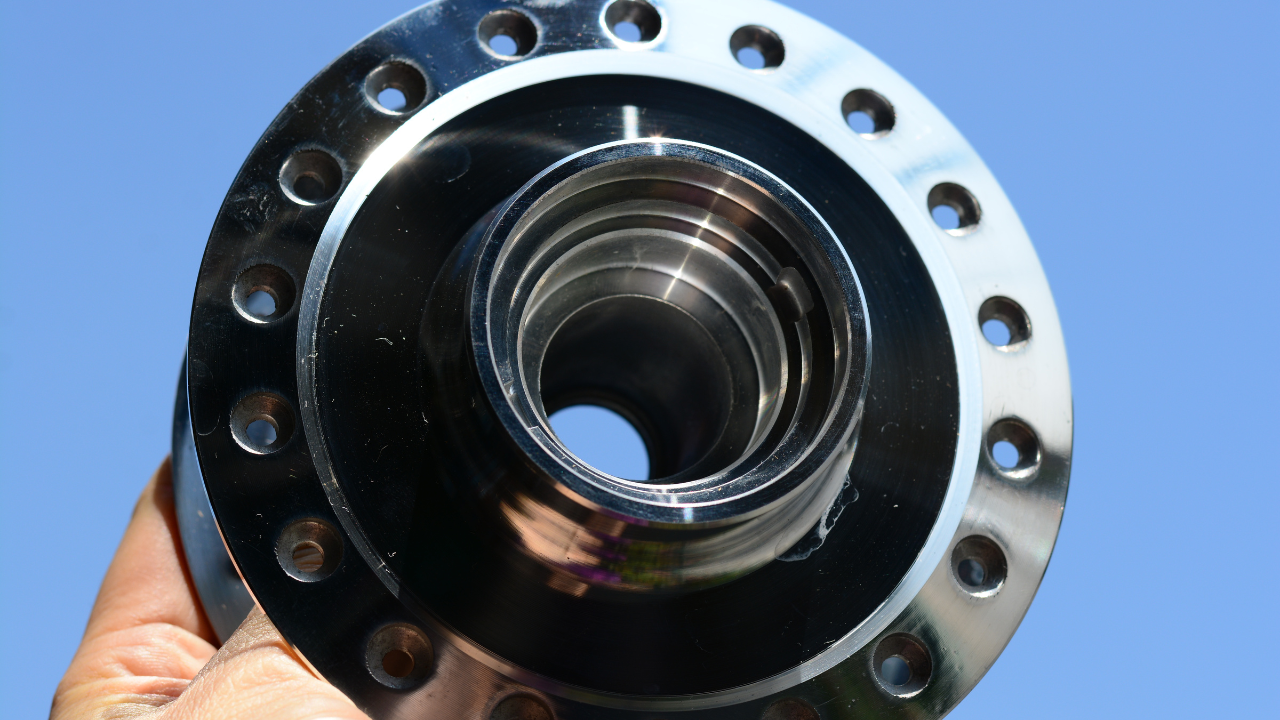
The wheel hub serves as the connection point between the axle and the wheel. High-quality hubs are designed to:
- Support heavy loads safely
- Maintain smooth rotation for tires
- Protect bearings and internal components from wear and debris
Choosing the right wheel hub ensures your trailer runs smoothly and minimizes the risk of costly repairs. Modern hubs also improve safety by reducing the chances of bearing overheating or axle misalignment.
Key Features to Look For in Wheel Hubs
When selecting a wheel hub, consider the following factors:
- Material quality: Durable metals like forged steel or high-grade aluminum resist corrosion and wear.
- Bearing compatibility: Ensure hubs match the bearings installed in your trailer.
- Load rating: Hubs should be rated for the maximum weight of your fully loaded trailer.
- Ease of maintenance: Removable and serviceable hubs allow for easier inspections and lubrication.
For premium wheel hub options, consider exploring resources like Valcrum for reliable products and detailed specifications.
Are Hubcaps Necessary?
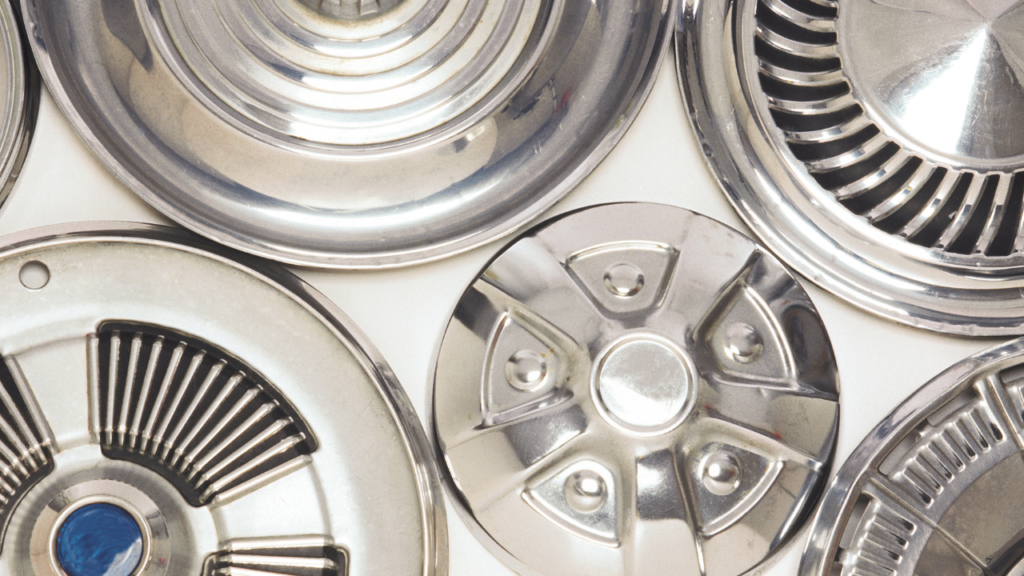
Hubcaps may seem purely decorative, but they actually serve important functional purposes:
- Protect wheel bearings: Hubcaps shield bearings from dirt, dust, and water, helping extend component life.
- Maintain lubrication: Many hubcaps are designed to retain grease in oil-bath hubs, preventing leaks.
- Enhance safety: By keeping debris away from moving parts, hubcaps reduce the chance of wheel damage.
- Improve appearance: While functional, hubcaps also give a clean, polished look to your trailer.
Even if a trailer runs perfectly without hubcaps, installing them provides an extra layer of protection that can prevent costly repairs over time.
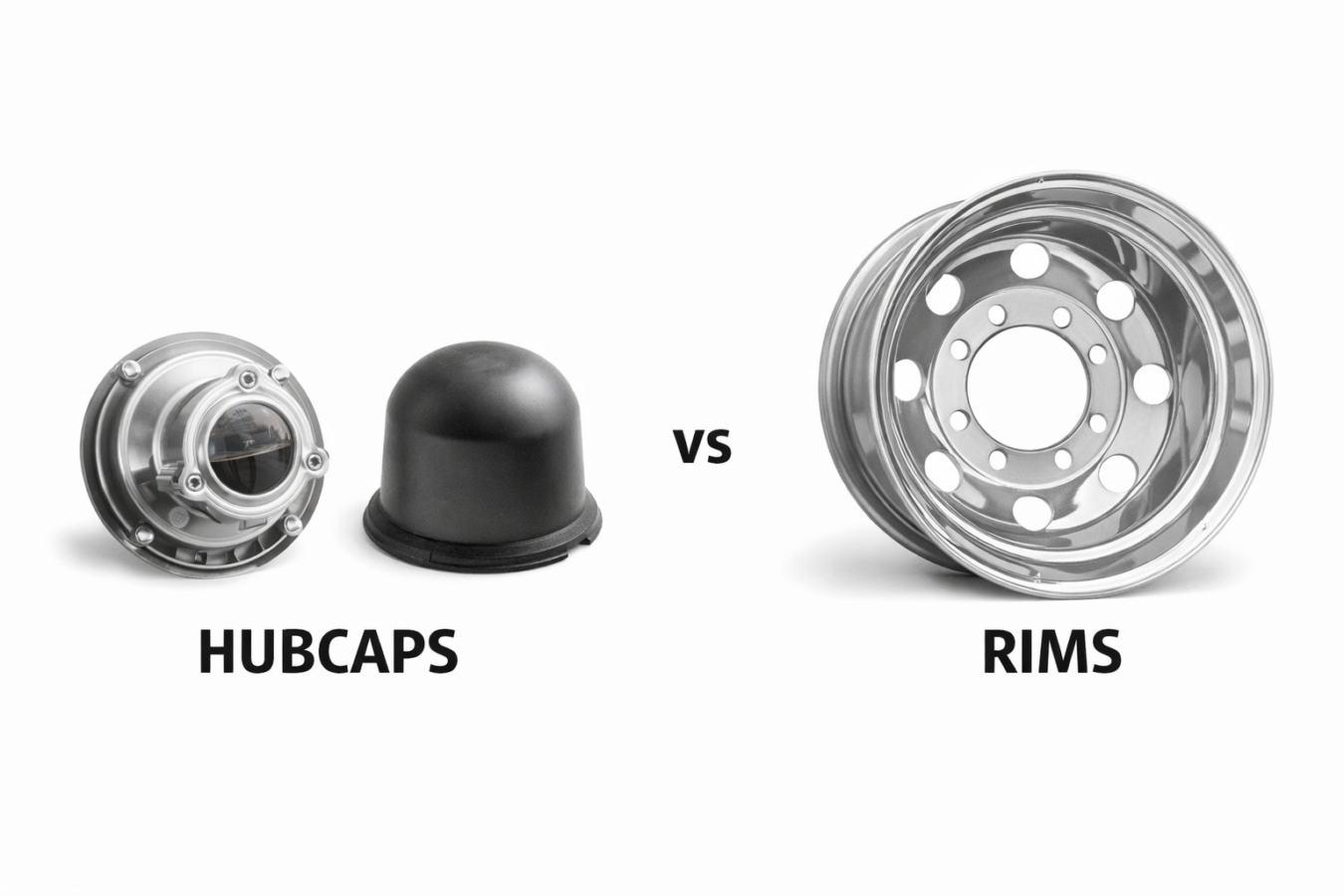
Hubcaps vs Rims: Understanding the Difference
It’s common for trailer owners to confuse hubcaps and rims, but each serves a distinct purpose.
Hubcaps
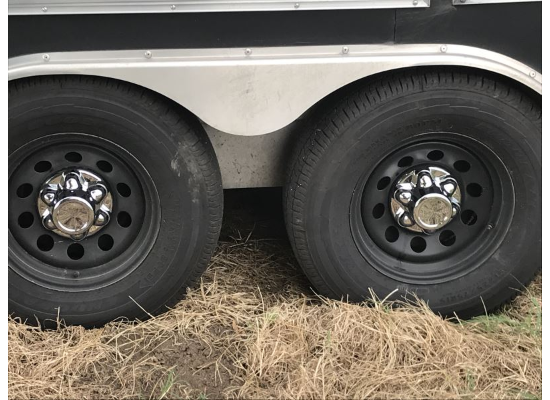
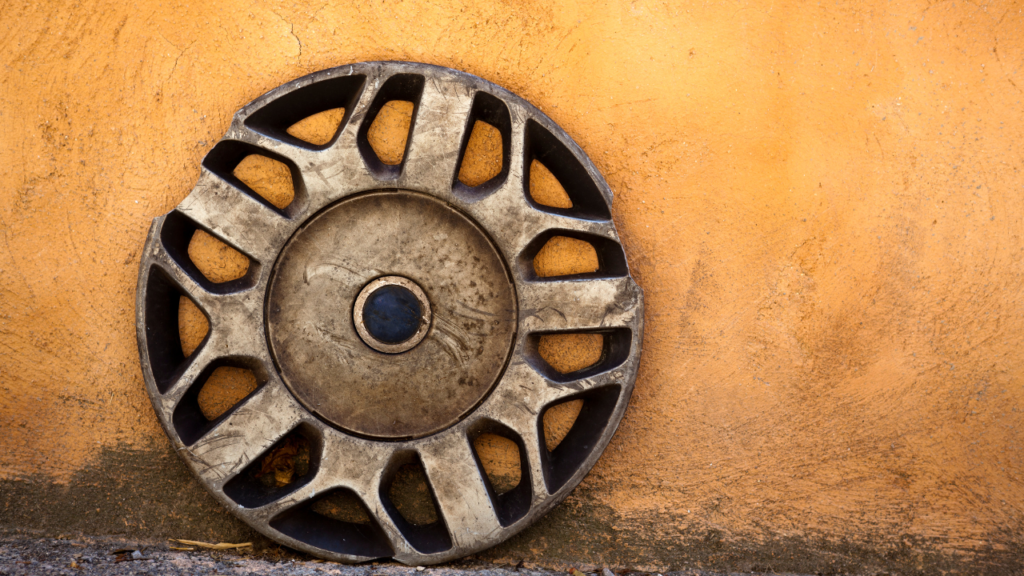
- Cover the central part of the wheel (the hub)
- Protect internal components such as wheel bearings and grease
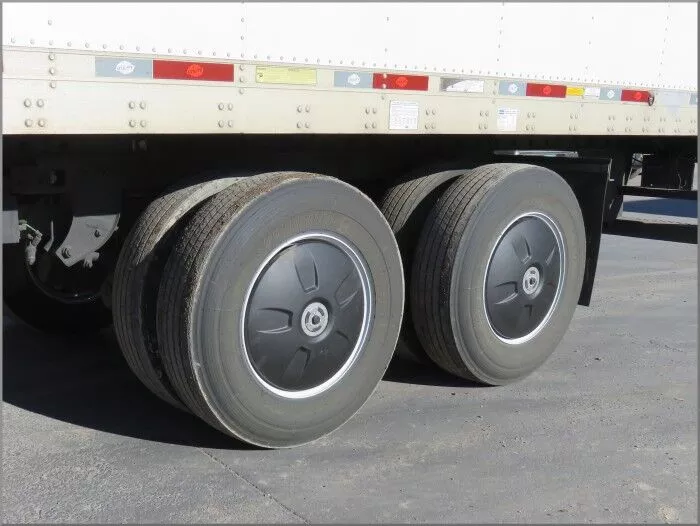
- Can be metal or plastic, depending on application
- Are often removable for inspection or maintenance
Rims
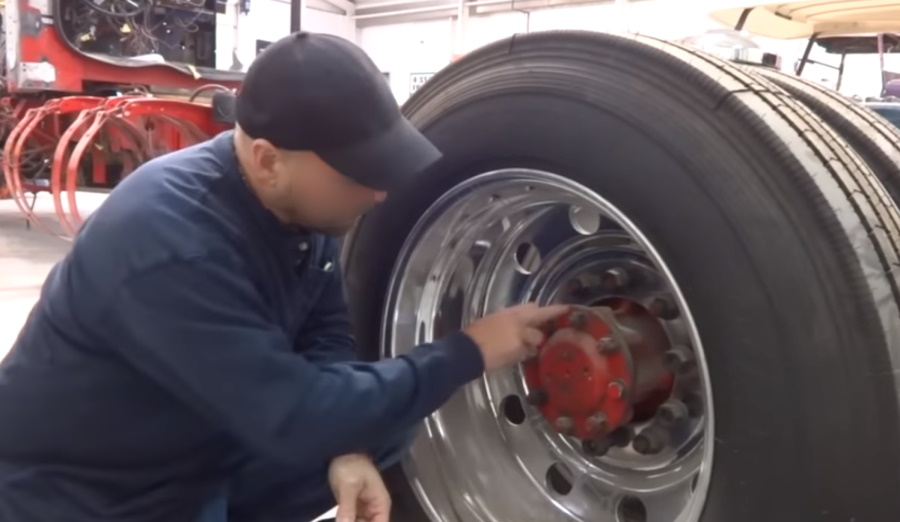
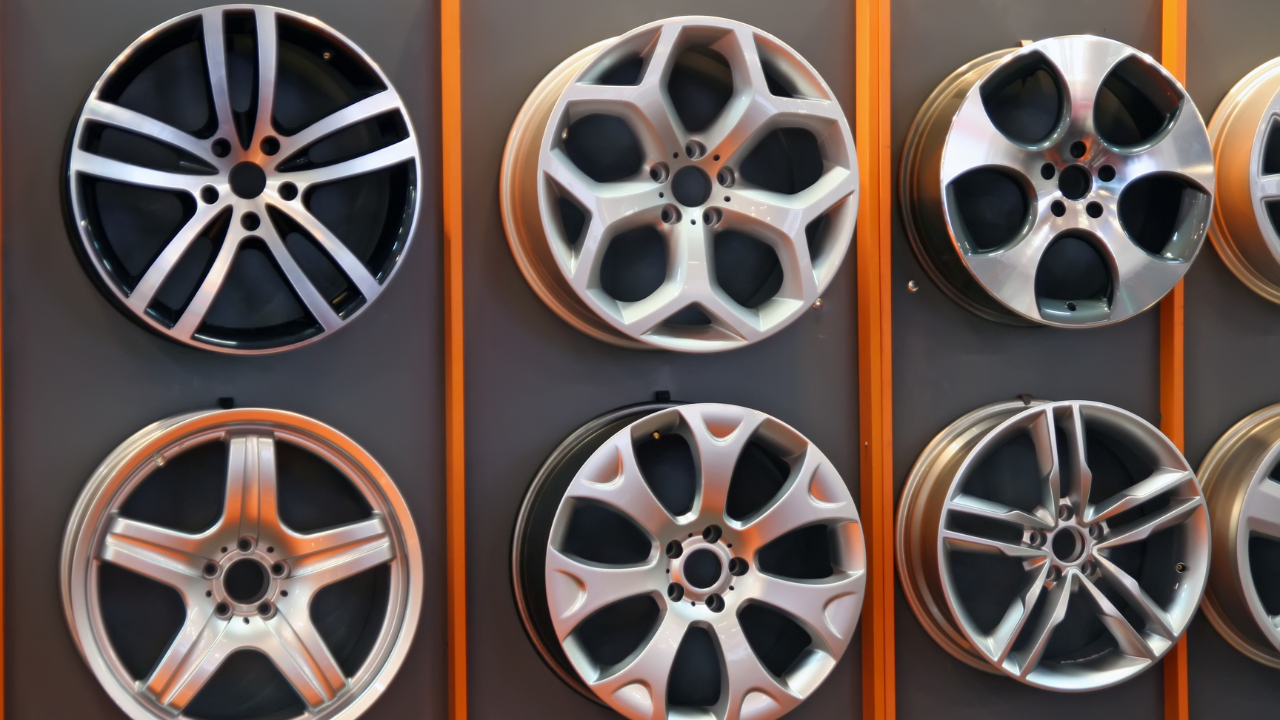
- Are the outer metal rings that hold the tires
- Provide structural support for the tire
- Affect tire performance, weight capacity, and handling
- Must match tire size and type
In short, rims carry the weight of your trailer and maintain the tire’s shape, while hubcaps primarily protect and preserve the hub assembly. Both are critical for optimal trailer performance and longevity.
Choosing the Best Combination
When maintaining or upgrading your trailer, consider these practical tips:
- Match quality hubs with protective hubcaps: Using inexpensive hubs with high-quality hubcaps or vice versa can compromise performance.
- Inspect regularly: Even with protective hubcaps, check hubs, bearings, and seals during routine maintenance.
- Select rims based on load requirements: Heavy-duty trailers require stronger rims to safely support maximum loads.
- Consider materials and environment: Aluminum hubs and caps resist corrosion better in wet or coastal areas compared to standard steel.
For more insights on why hubcaps are critical for trailer maintenance, check this informative article from Case Chevy Parts.
Practical Benefits for Trailer Owners
Investing in high-quality wheel hubs and protective hubcaps yields multiple benefits:
- Reduced maintenance costs: Proper protection means bearings and seals last longer.
- Enhanced safety: Well-maintained wheel assemblies prevent accidents caused by hub failure.
- Improved appearance: Polished hubcaps and durable rims give trailers a professional look.
- Increased trailer lifespan: Components that are well-protected and lubricated are less likely to fail prematurely.
These benefits are especially important for commercial operators, contractors, or anyone relying on trailers for daily business operations.
Conclusion: Protect Your Trailer with the Right Hubs and Hubcaps
Selecting the best wheel hubs, protective hubcaps, and rims isn’t just about aesthetics—it’s about safety, reliability, and long-term savings. By investing in high-quality components and maintaining them properly, you ensure your trailer operates efficiently and safely under all conditions.
If you want to extend the life of your trailer, reduce downtime, and maintain peak performance, start by evaluating your current wheel hubs, hubcaps, and rims. Explore premium products at Valcrum and learn how the right components can make a measurable difference for your trailer.
Call-to-Action:
Upgrade your trailer today! Explore high-quality wheel hubs, hubcaps, and rims to protect your investment and improve performance. Visit Valcrum to find solutions tailored to your needs.